Wheeled and crawler excavators are two common types in construction, differing fundamentally in chassis structure, terrain adaptability, mobility, and application scenarios. Below is a detailed comparison:
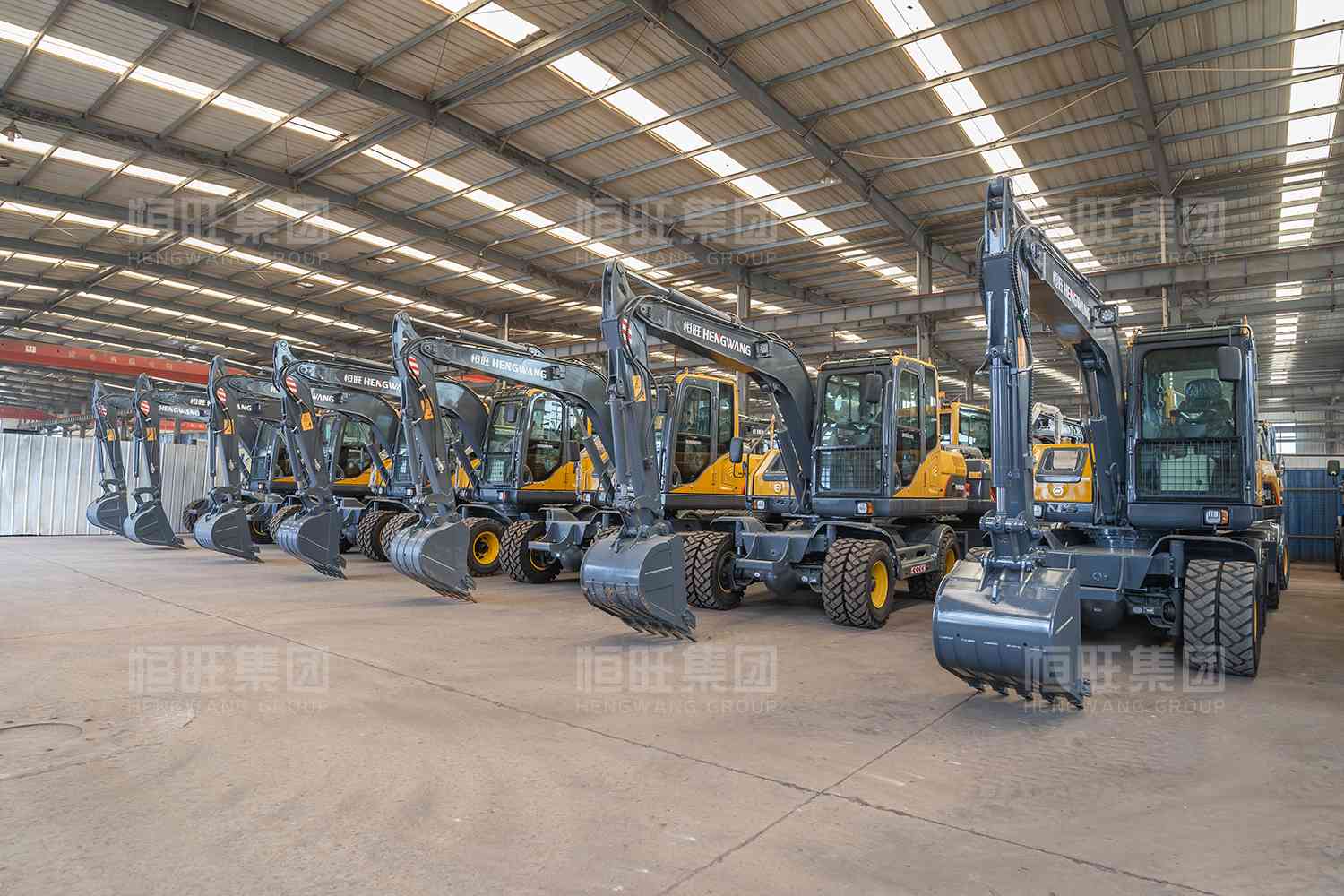
1. Chassis and Travel Mode
Wheeled Excavators
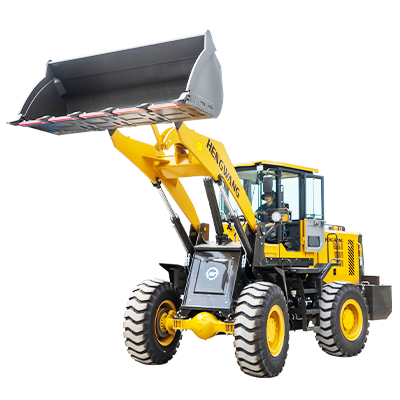
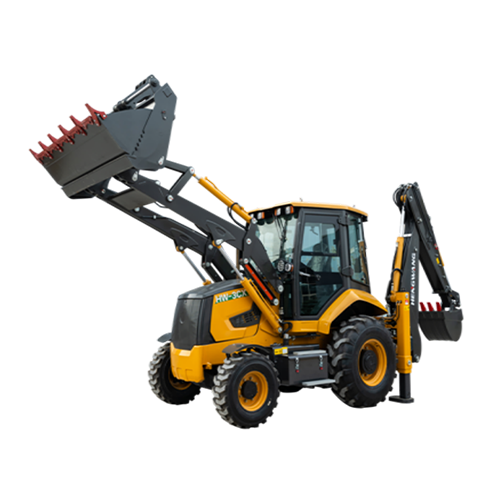
Chassis Structure: Adopt a tire-based chassis with pneumatic tires (typically 4 or 6 wheels), similar to truck chassis.
Travel Characteristics: Driven by tires, suitable for hard surfaces (e.g., roads, concrete). They travel faster (15–30 km/h) and can move between sites directly without trailers.
Crawler Excavators
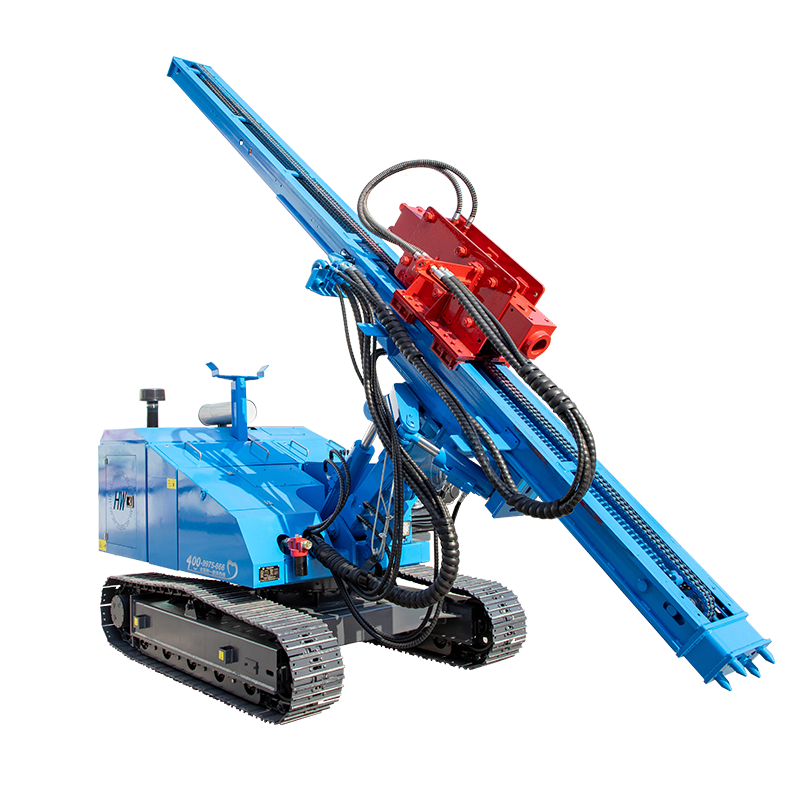
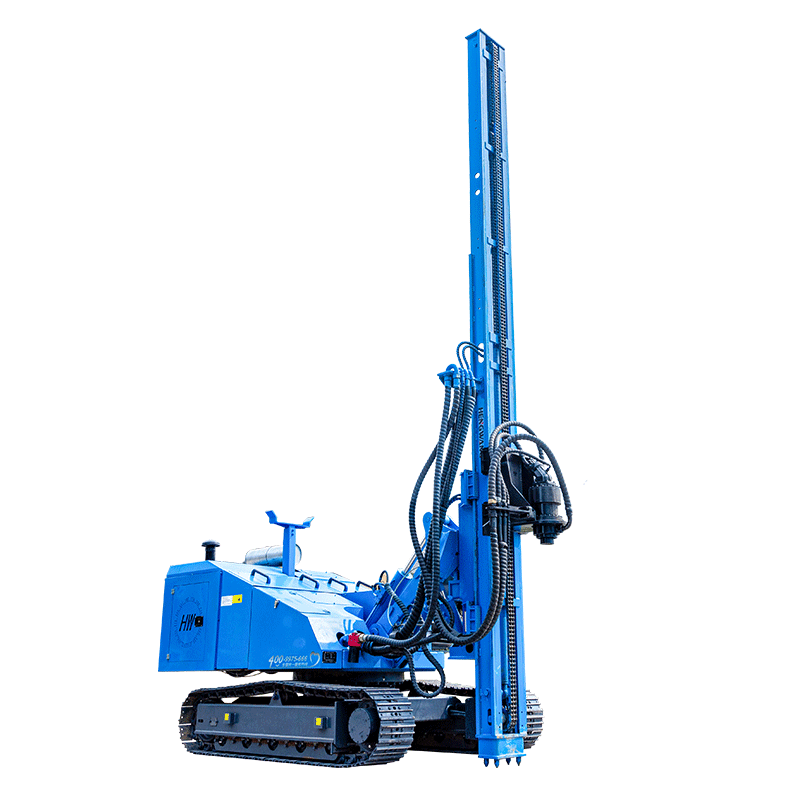
Chassis Structure: Feature a crawler chassis with metal tracks, drive wheels, and idlers, forming a closed loop.
Travel Characteristics: Driven by track-ground friction, with a large ground contact area and low pressure, ideal for soft, muddy, or rugged terrains (e.g., mountains, wetlands, mines). They have strong cross-country capability but slower speed (5–10 km/h), requiring flatbed trailers for long-distance transport.
2. Terrain Adaptability and Ground Protection
Wheeled Excavators
Advantages: Flexible on flat surfaces, with small turning radii, suitable for urban roads and short-distance movements within sites, causing minimal damage to hard surfaces.
Limitations: Prone to slipping or sinking on soft/muddy ground; unsuitable for extremely complex terrains.
Crawler Excavators
Advantages: Tracks exert low ground pressure (e.g., a 20-ton crawler excavator has 0.3–0.5 kg/cm² pressure), enabling stable operation on swamps, farmland, and gravel. They rarely get stuck and excel in soft terrain.
Limitations: Tracks wear hard surfaces and generate noise, so road use in urban areas is strictly restricted.
3. Application Scenarios and Uses
Wheeled Excavators
Urban infrastructure (e.g., pipeline excavation, municipal works, road maintenance) requiring frequent relocation on flat surfaces.
Small/medium construction sites and agriculture (e.g., orchard reclamation, farmland irrigation) with high mobility needs.
Combined short-distance transport and operations (e.g., loading, material handling).
Suitable for:
Features: Typically smaller (5–20 tons), flexible, and ideal for light/medium earthworks.
Crawler Excavators
Heavy-duty operations like mining, large earthworks, and water conservancy projects.
Wilderness construction (e.g., mountain road building, forest clearing) in complex, non-hardened terrains.
Demolition, rock crushing, and other scenarios requiring strong traction and stability.
Suitable for:
Features: Wide tonnage range (10–100+ tons), powerful, and compatible with heavy attachments (e.g., breakers, hydraulic shears) for high-intensity work.
4. Mobility and Relocation Efficiency
Wheeled Excavators
Can travel directly on roads, enabling fast relocation between sites and saving transport costs. Note: Some regions restrict wheeled machinery on roads due to weight/dimensions, requiring permits.
Crawler Excavators
Slow and damaging on roads, requiring trailers for long-distance transport—high cost and low efficiency. However, they excel in short-distance off-road movement.
5. Maintenance Costs and Durability
Wheeled Excavators
Maintenance: Tires wear easily (especially on rough surfaces), requiring frequent replacement (high cost). The chassis is simpler, with easier maintenance for drivetrains (e.g., transmissions, drive axles).
Durability: Suited for moderate loads; long-term heavy-duty or complex terrain use can damage tires and suspension systems.
Crawler Excavators
Maintenance: Complex track systems (chains, rollers, sprockets) incur high maintenance costs (e.g., track tensioning, chain replacement). Hydraulics and engines require stricter maintenance due to long-term heavy use.
Durability: Metal tracks are impact-resistant, ideal for long-term heavy-duty work, with generally longer service life.
Conclusion: How to Choose?
Choose a wheeled excavator for hard-surface operations, frequent relocations, and light/medium earthworks (e.g., urban projects, agriculture, short-distance loading)—it’s more efficient and cost-effective.
Choose a crawler excavator for complex terrains (soft, rugged, heavy-duty), such as mining, wilderness construction, or heavy crushing—its passability and stability are irreplaceable.
The core difference lies in “mobility” vs. “terrain adaptability.” Select based on project requirements, site conditions, and budget.