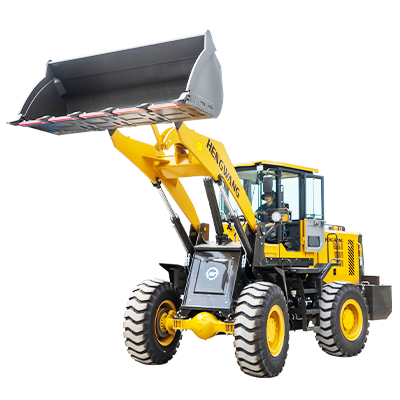
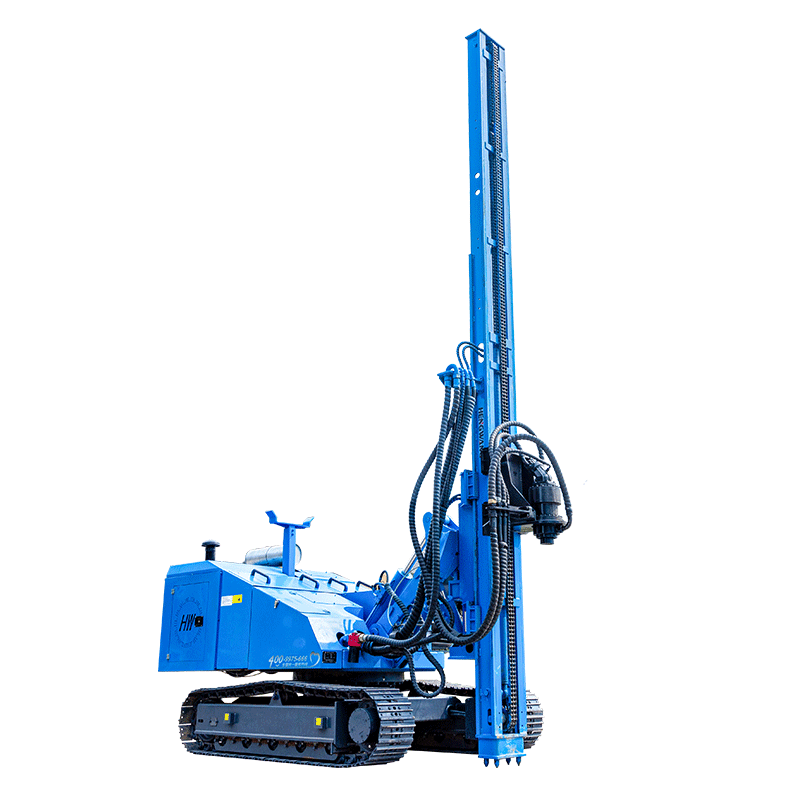
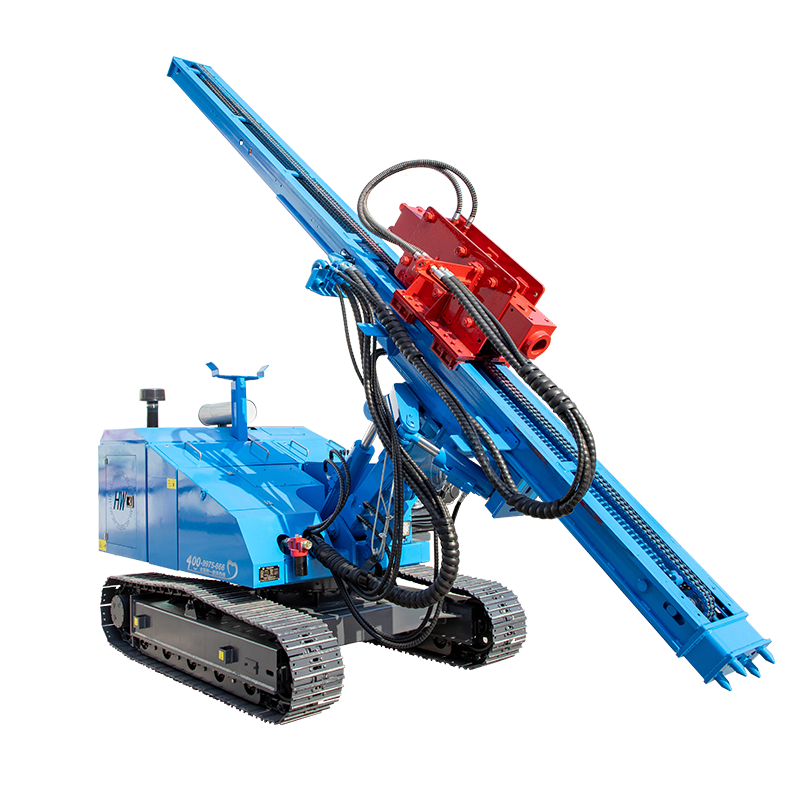
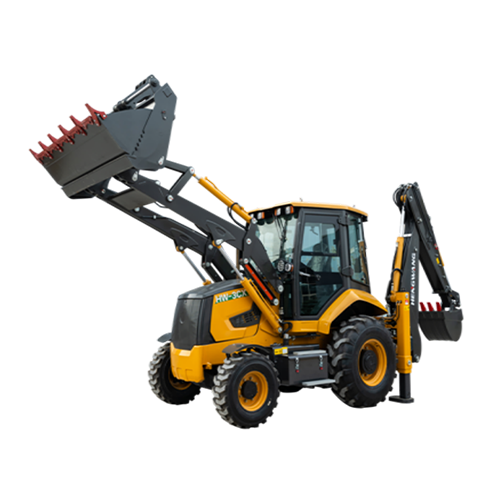
When it comes to excavators, earth excavation is often the first thing that comes to mind. However, with advancements in engineering technology, these heavy-duty machines have far exceeded traditional uses, demonstrating versatile capabilities in infrastructure, mining, landscaping, and more. This article highlights seven innovative application scenarios, showcasing how excavators have evolved from "simple diggers" to "all-in-one engineering assistants."
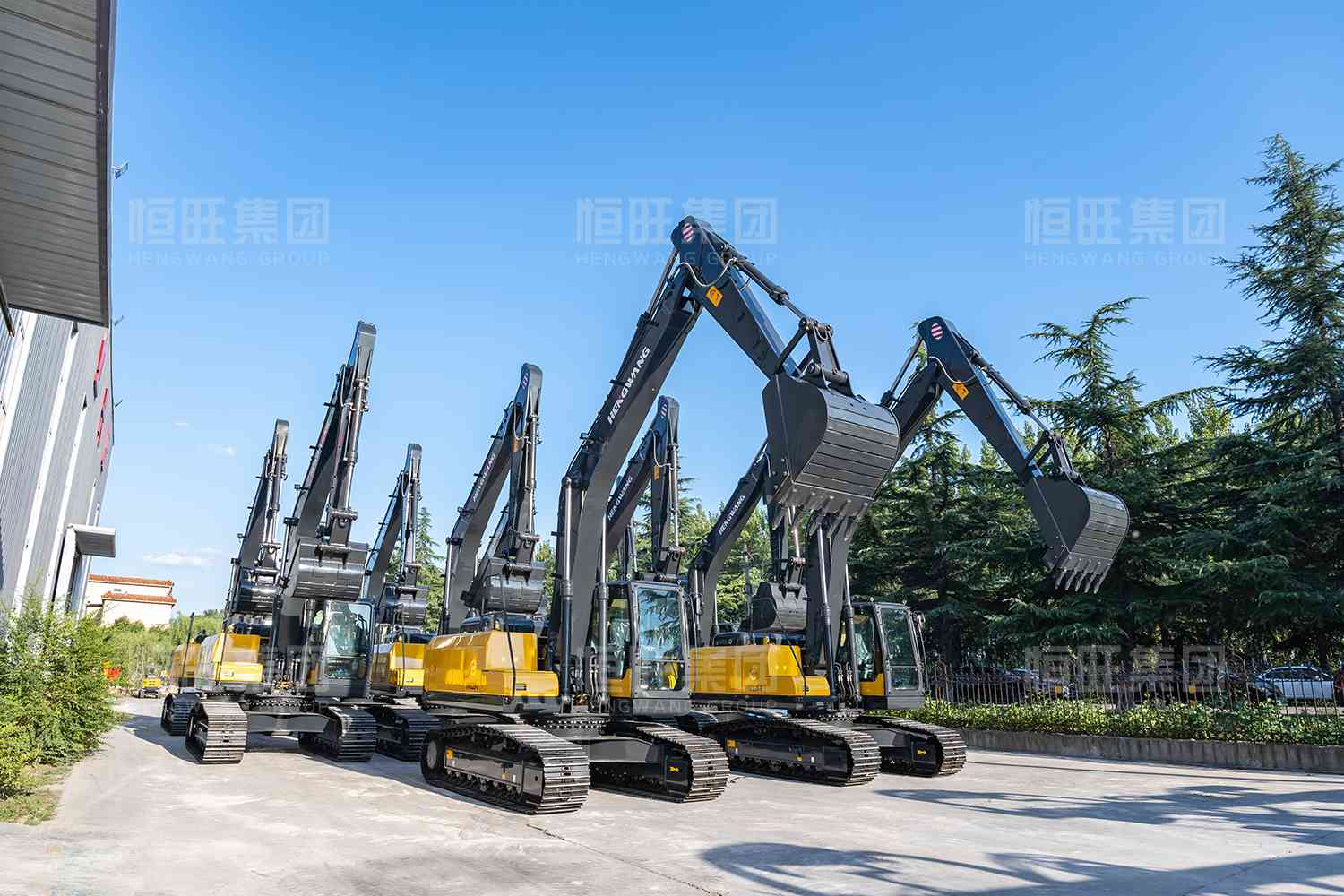
1. Infrastructure Projects: All-around Support for Roads & Bridges
Excavators serve as core equipment in transportation and water conservancy projects:
2. Mining Operations: Key to Efficient Resource Extraction
In open-pit mining, excavators act as the primary production force:
3. Landscaping & Gardening: Smart Partners for Scenic Projects
From terrain preparation to landscape creation, excavators enable precision work:
4. Farmland Irrigation: Foundations for Modern Agriculture
Excavators enhance efficiency in farmland transformation and irrigation systems:
5. Emergency Rescue: Disaster Relief "Obstacle Breakers"
In natural disasters like earthquakes or floods, excavators play a critical role:
6. Environmental Sanitation: Unsung Heroes of Urban Maintenance
Excavators contribute to urban environmental management:
7. Specialized Operations: Tech-Upgraded Solutions for Niche Needs
With attachments and intelligent systems, excavators unlock advanced capabilities:
Conclusion: From "Tool" to "Ecosystem" – The Value Evolution of Excavators
From traditional digging to multi-scenario applications, excavators continue to expand their functional boundaries. Whether driving infrastructure efficiency or enabling disaster relief, their "all-around capabilities" are reshaping engineering models. With the integration of 5G and AI, future excavators will advance toward unmanned and intelligent operations, unlocking potential in more specialized fields as core drivers of modern construction.