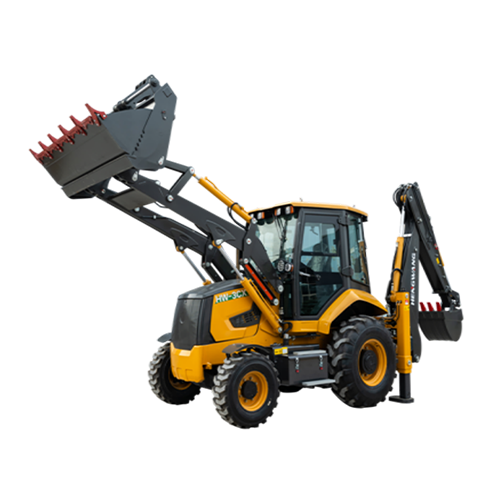
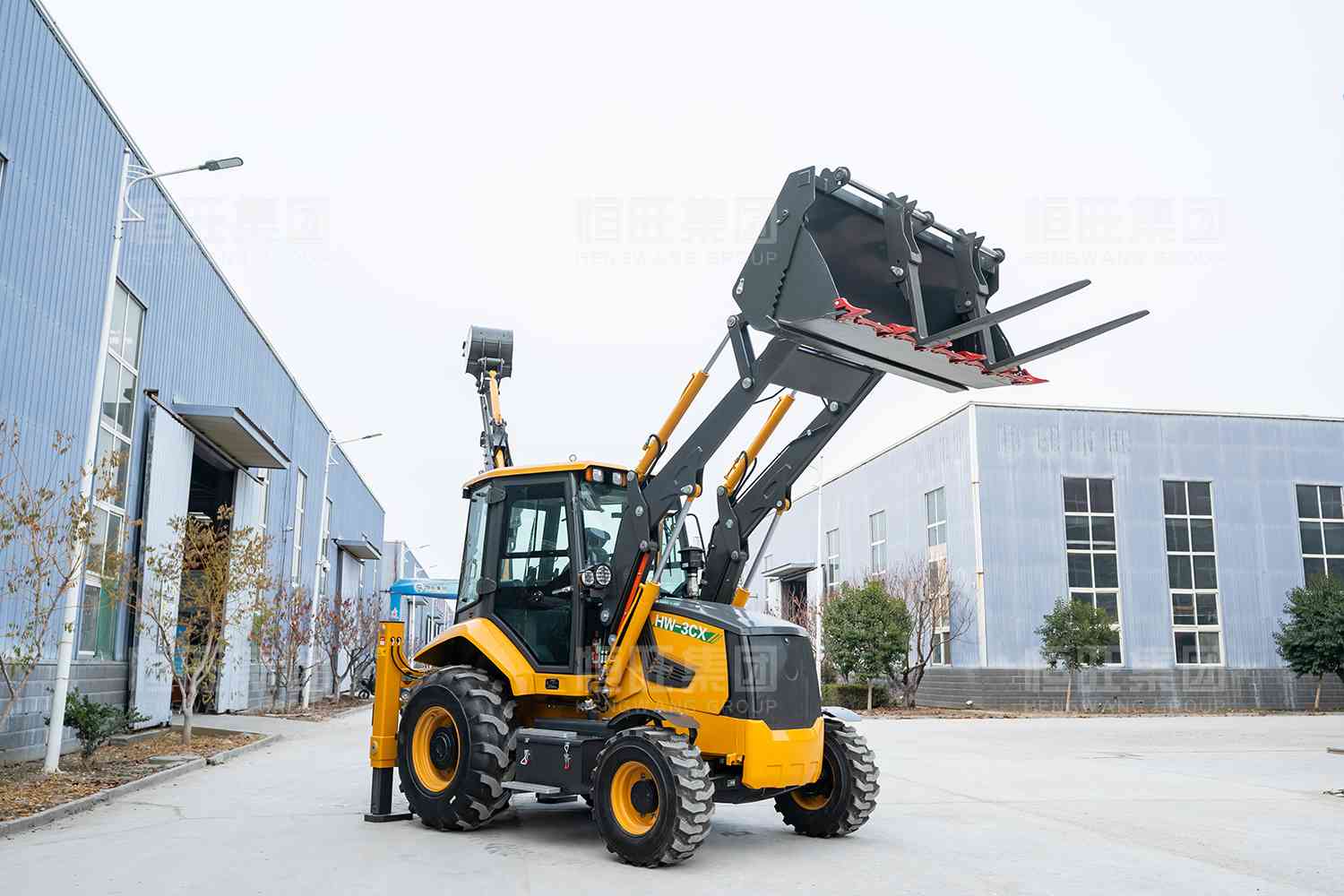
Backhoe loaders, as versatile construction machines, are prone to common faults due to frequent use in harsh environments and complex operational demands. Here are typical issues across key systems:
Engine-related faults
Difficulty starting: Often caused by a weak battery, faulty starter motor, or clogged fuel filters.
Power loss: May result from dirty air filters, fuel injection system malfunctions, or worn piston rings.
Overheating: Common due to low coolant levels, a broken radiator fan, or blocked cooling fins.
Abnormal noise: Indicates potential issues like loose timing chains, worn bearings, or valve train problems.
Hydraulic system failures
Oil leaks: Occur at hose connections, seal wear, or damaged hydraulic cylinders (critical as backhoe loaders rely heavily on hydraulic power for arm/attachment movement).
Insufficient pressure: Caused by a faulty hydraulic pump, clogged filters, or air in the system, leading to slow or unresponsive arm/attachment movement.
Jerky operations: Air in hydraulic lines or worn control valves can make the boom, bucket, or backhoe arm move unevenly.
Transmission and drivetrain issues
Shifting problems: Stepless transmission (common in backhoe loaders) may fail to shift smoothly due to low transmission fluid, worn clutches, or sensor errors.
Drivetrain noise: Grinding or knocking sounds often stem from worn universal joints, damaged gears, or insufficient lubrication.
Reduced traction: Faulty differential locks or worn tires (exacerbated by rough terrain) can lead to slippage.
Electrical system malfunctions
Dead battery: Frequent short trips or parasitic drains (e.g., faulty lights, sensors) drain the battery quickly.
Faulty sensors: Engine control unit (ECU) or hydraulic pressure sensors may fail, triggering warning lights and limiting performance.
Lighting/accessory failures: Burned-out bulbs, damaged wiring, or faulty switches affect headlights, work lights, or cabin accessories.
Work equipment wear
Arm/bucket jamming: Worn pins, bushings, or damaged hinges in the backhoe arm or loader bucket restrict movement.
Bucket/attachment looseness: Loose bolts or worn mounting brackets cause attachments to wobble, reducing efficiency and safety.
Brake system issues
Weak braking: Worn brake pads, low brake fluid, or air in brake lines lead to reduced stopping power—critical for safety on job sites.
Brake drag: Sticking calipers or misadjusted brake shoes cause overheating and premature wear.
Cab and structural problems
Cab rattling: Loose panels, worn shock mounts, or damaged seals create noise and reduce operator comfort.
Visibility issues: Cracked safety glass, fogged windows, or malfunctioning wipers hinder visibility, increasing accident risks.
Most of these faults stem from inadequate maintenance (e.g., infrequent fluid checks, delayed part replacements) or prolonged operation in dusty, muddy, or high-vibration environments. Regular inspections and timely repairs can significantly reduce downtime for backhoe loaders.