Comparison of large and small excavators

Aug 17, 2025

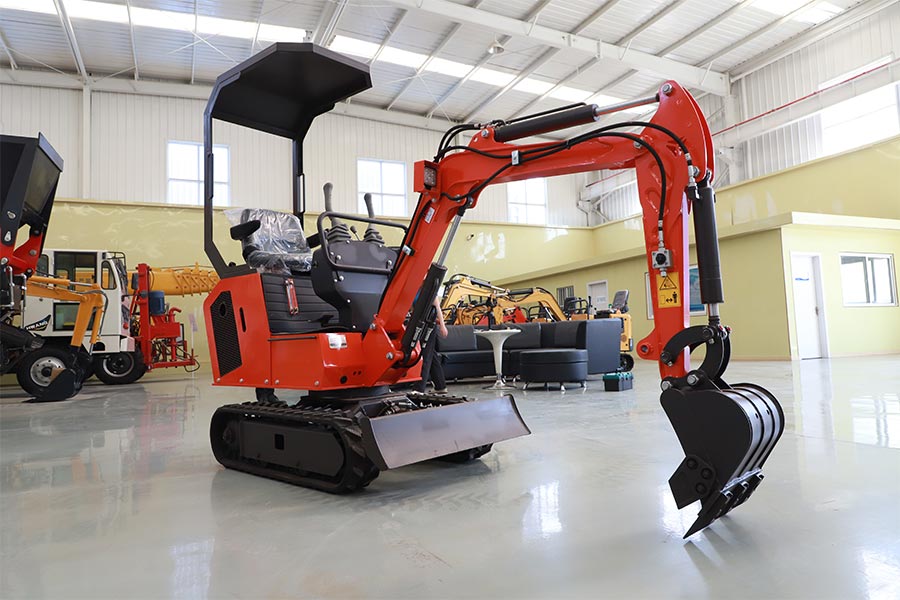
Preferred Applications for Small Excavators:

Narrow working spaces (yards, indoor spaces, streets, near pipelines).

Small projects with low earthmoving volumes.

Limited budgets (low initial acquisition and operating costs).

Frequent site changes or work on multiple, dispersed, small sites.

Low ground load capacity or the need to protect existing infrastructure (such as lawns or paved roads).

Predominantly fine work and multi-purpose applications (with multiple attachments).

Municipal maintenance, landscaping, home renovation, and small-scale civil engineering.
1-1F2XLM-2024.jpg

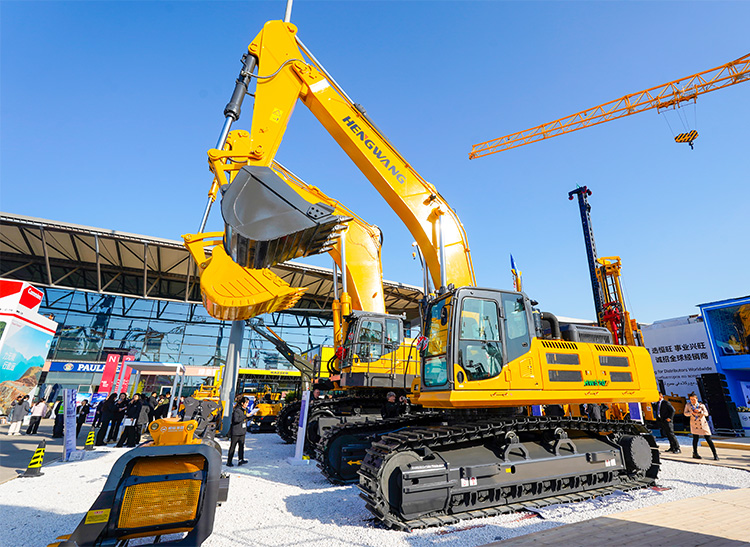
Preferred Applications for Large Excavators:

Large earthmoving projects (mines, large building foundations, reservoir dams, and large-scale site leveling).

Deep excavation required (such as basements and deep foundation pits).

Handling large amounts of hard material (hard soil, rock).

Striving for maximum efficiency and shortest construction times (large projects).

Sufficiently open, solid work areas and transportation access.

Sufficient budget and workload sufficient to ensure equipment utilization. Common Misconceptions
Focusing solely on price: A cheap small excavator may not be able to efficiently complete a large task, ultimately resulting in higher total costs (longer construction time, multiple pieces of equipment, and increased labor).

Focusing solely on efficiency: A highly efficient large excavator is ineffective in confined spaces and may even damage the site or prevent access.

Ignoring Transportation and Access Costs: The cost and difficulty of transporting a large excavator are crucial considerations.

1742107610602242.jpg

Best Practices

1. Clarify Requirements: Detail your specific project requirements, earthwork volume, site conditions, and construction deadlines.

2. Accurately Calculate Costs: Compare the total cost of a large and small excavator over the entire project lifecycle (purchase/rental + fuel + maintenance + transportation + labor + possible project deadline impacts).

3. Consider Leasing: If the project is small or short-term, leasing may be a more economical option, especially since you can choose from a variety of models based on your needs.

4. Consult Professionals: Consult with equipment dealers, rental companies, or experienced construction contractors. Provide the details of your project and seek their advice. 5. Consider a hybrid setup: For large projects, a combination of large excavators for bulk earthwork and small excavators for corner cleaning, trenching, and detailed work is sometimes the optimal solution.

Ultimately, the equipment you choose depends on how you balance efficiency, space constraints, and overall cost. If you can share your specific project type, site size, and expected workload, I can provide more tailored recommendations.


Relative Products

We are committed to providing you with construction machinery products that offer better value for money!

Contact us now to get the most competitive pricing
Get a Quote
Copyright © Shandong Hengwang Group Co., Ltd. All rights reserved.Privacy Policy

Request a quote

Please fill out the form below according to your needs, and our product specialist will contact you within one working day.