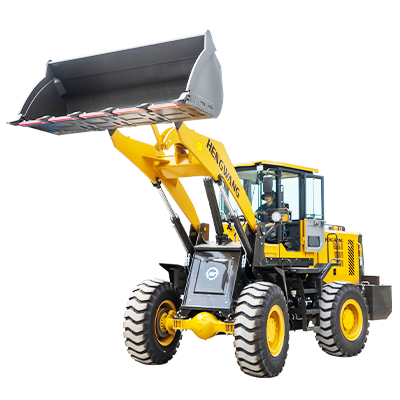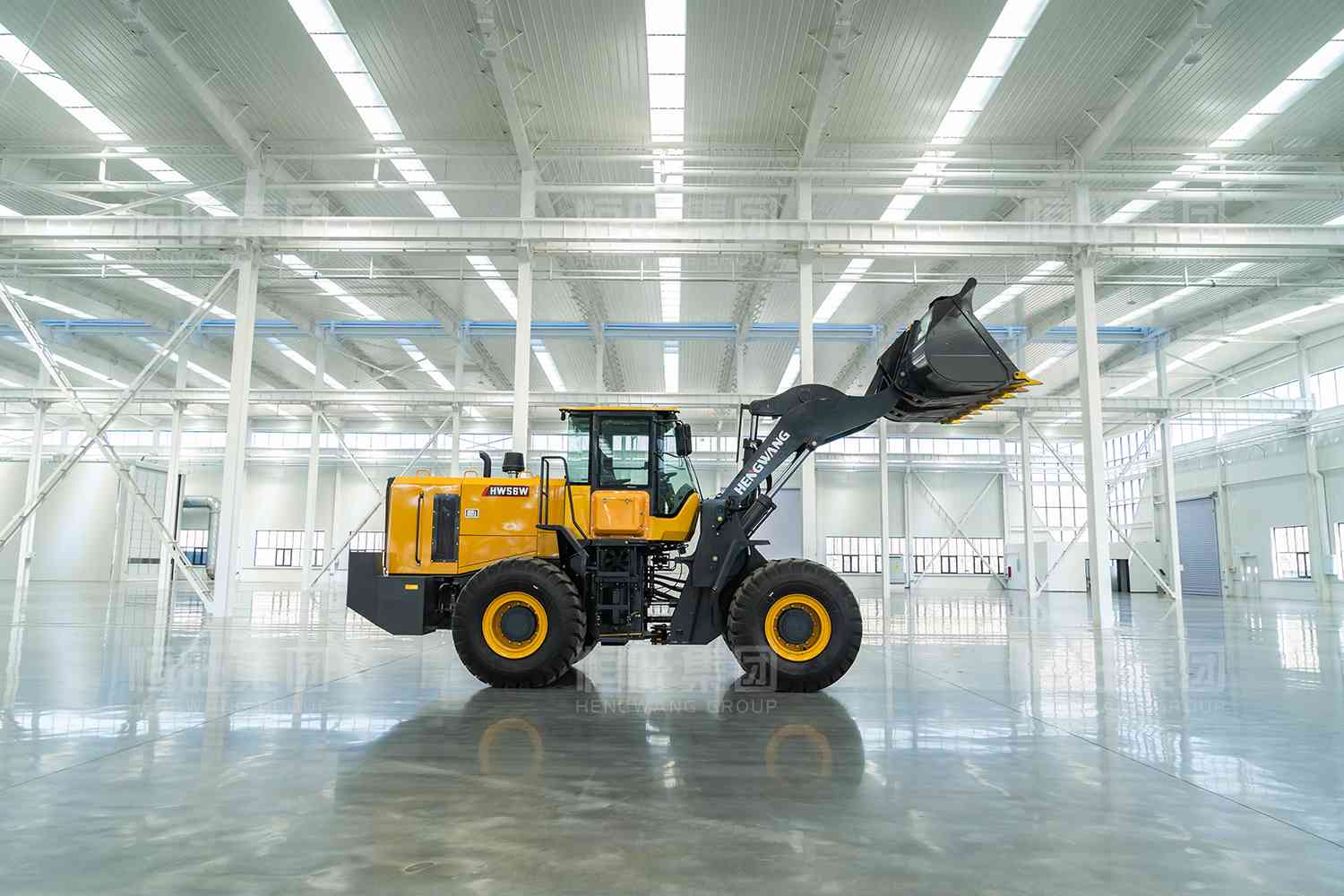
1. Wheel Loader Summer Tire Overheating Risk Warning
In high summer temperatures, wheel loader tires are prone to rapid temperature increases due to frequent load deformation, ground friction, and ambient heat. Bias-ply tires commonly used in construction machinery have a critical temperature of 105°C. When tire temperature exceeds 115°C (danger threshold), cord layer delamination or even blowouts can occur, seriously threatening operational safety. Statistics show summer wheel loader tire failure rates are 40% higher than in spring/autumn, with 80% directly linked to overheating.
2. Temperature Differential Management: Control Tire Heat at the Source
1. Peak-Hour Avoidance Operation
Adopt a "morning-evening work, midday rest" schedule to avoid 11:00-15:00 high-temperature periods. Morning (6:00-10:00) and evening (16:00-20:00) operations in lower temperatures reduce tire exposure to extreme heat, with measured peak temperatures 15%-20% lower than midday.
2. Real-Time Touch Inspection + Scheduled Shutdowns
Inspect tires every 1 hour of operation: if the tire surface feels "burning hot" (body temperature exceeding 60°C), shut down immediately for rest. Avoid relying solely on dashboard data—direct touch detection identifies localized overheating hazards faster.
3. Scientific Cooling: 3 Correct Practices & 2 Prohibitions
Proper Cooling Measures
1. Shaded Parking: Choose tree-shaded or shed areas to avoid direct sunlight, utilizing natural ventilation for faster heat dissipation (tire temperature drops 30% quicker in shade than in the open);
2. Natural Cooling: Open the engine compartment after shutdown to allow gradual cooling; never close all compartments to trap hea2. t;
3. Tire Pressure Pre-Check: Use a pressure gauge daily (standard: 1.6-1.8MPa, model-dependent). Underinflation (10% below standard) increases sidewall deformation, accelerating heating by 50%.
Strict Prohibitions
Cold Water Spraying: Sudden temperature changes cause tread rubber cracking and uneven cord layer stress, directly increasing blowout risks;
Air Deflation: Rapid pressure reduction alters tire contact area, causing rebound overheating from excessive deformation during restart.
4. 5 Core Taboos for Wheel Loader Summer Operations
1. No Overloading: Overloading increases tire load by >20%, accelerating temperature rise by 50%. Strictly follow load limits marked on the cab door.
2. Speed Control: Temperatures rise 1-2°C per km at speeds >20km/h. Limit to 15km/h in mines/sites, and <10km/h when turning.
3. Avoid Continuous Operation >4 Hours: Uninterrupted work can push tire temperatures past 110°C. Mandate 15-minute breaks every 2 hours to inspect tires and hydraulics.
4. Prompt Debris Removal: Clear stones, wires, etc., from tire grooves after each operation to prevent high-temperature punctures.
5. Timely Worn Tire Replacement: Replace tires when tread depth <3mm, as reduced friction causes excessive heating.
5. Summer Tire Maintenance Addendum for Wheel Loaders
· Weekly: Use high-pressure water to flush tire sides and hubs, removing oil and sediment (oil reduces heat dissipation);
· Monthly: Inspect sidewalls for cracks or bulges, replacing immediately to prevent high-temperature defect expansion.