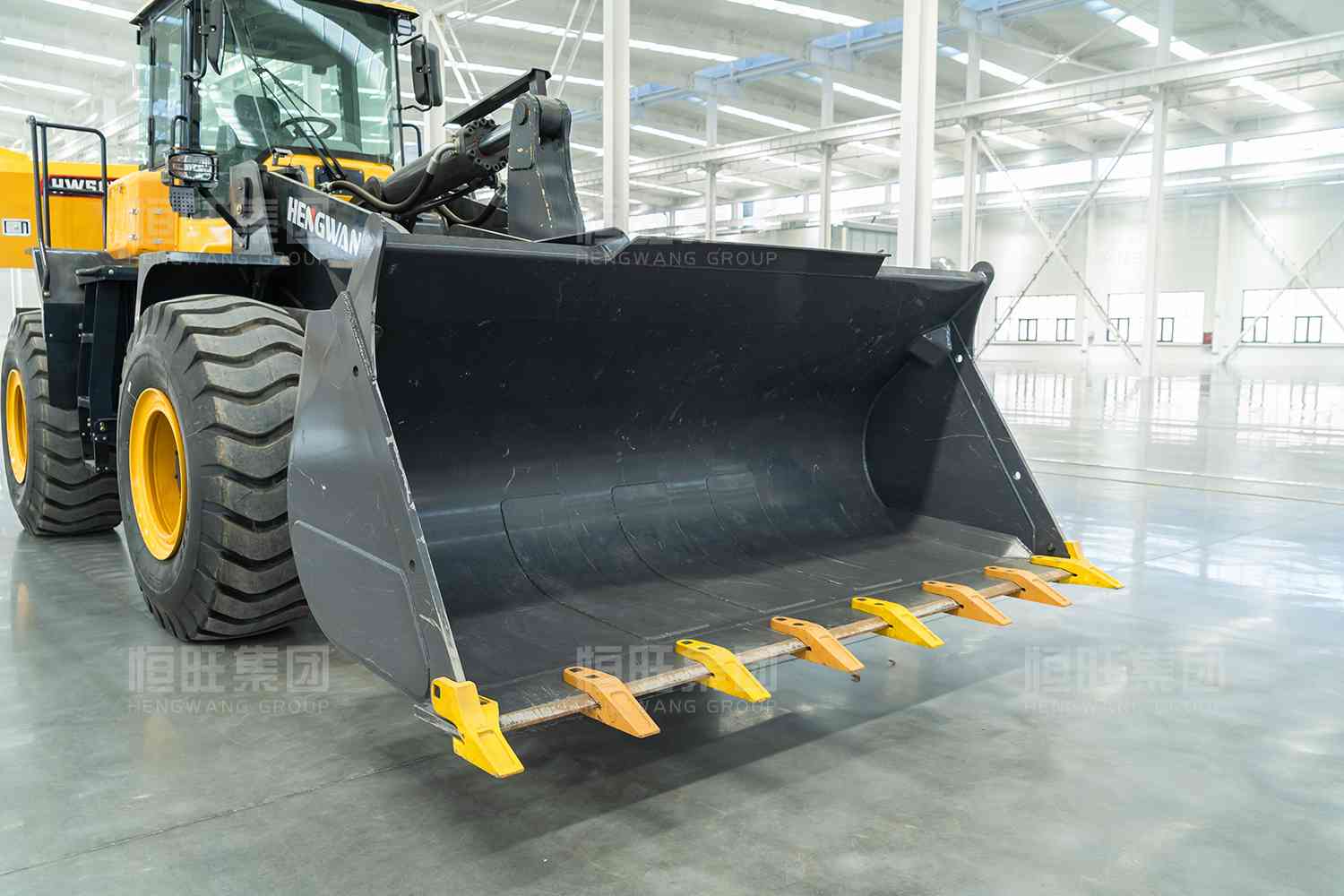
1. What Does a Loader Look Like? – Unmistakable Features
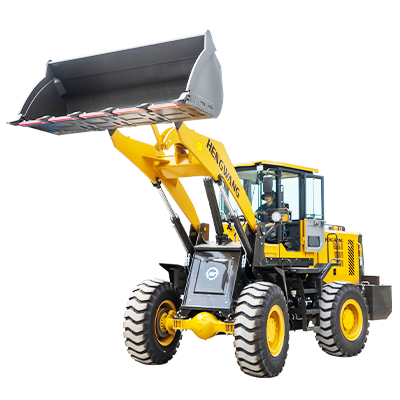
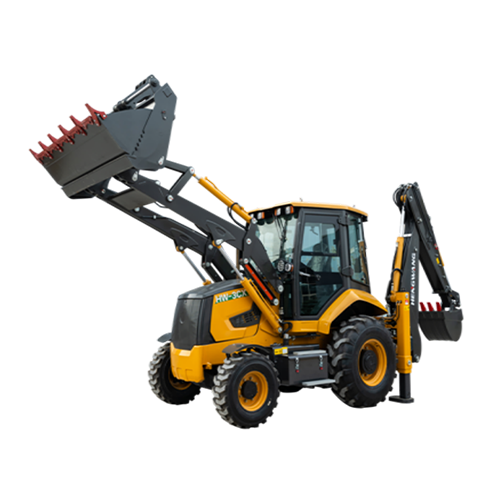
Bucket: The most prominent feature, shaped like a giant metal scoop at the front. Bucket size and design vary by application, from standard loading to specialized tasks like snow removal or waste handling.
Boom: The robust arm structure connecting the bucket to the chassis, driven by hydraulics to lift, lower, and tilt the bucket with precision.
Cab: Positioned at the mid-rear of the machine, offering operators a wide field of vision for safe operation.
Tires or Tracks:
Wheel loaders (most common) are agile and fast, suitable for hard, flat surfaces.
Track loaders excel in soft, muddy terrain, distributing weight to prevent sinking.
Articulated Frame: Medium to large wheel loaders often feature a hinged mid-chassis, enabling snake-like maneuverability and tight turning radii in confined spaces.
2. What Can a Loader Do? – More Than Just "Shoveling"
Loading Operations: The core function, efficiently scooping bulk materials (sand, soil, ore, waste, etc.) and transferring them to trucks, hoppers, or conveyors.
Example: Loading mixed concrete into transport vehicles on construction sites.
Short-Distance Hauling: Moving materials from one site area to another (ranging from meters to tens of meters).
Example: Transporting gravel from roadside stockpiles to roadbeds during paving.
Grading and Levelling: Using the bucket’s base for basic earthmoving and site leveling, ideal for preliminary prep work (less precise than dedicated dozers/graders).
Example: Clearing small areas or pre-compaction leveling.
Towing and Lifting: Some loaders can perform auxiliary tasks with attachments (e.g., hooks or forks), though this is secondary to their primary functions.
3. Where Are Loaders Used? – Diverse Applications
Construction Projects: Road building, bridge construction, housing, and water conservancy projects, handling earthwork and material loading.
Mining: Shoveling and transporting ore and waste in open-pit mines.
Ports & Terminals: Loading/unloading bulk cargo (coal, mineral powder, grain) and stockpiling operations.
Agriculture & Forestry: Farmland development, feed handling, timber transportation, and pond dredging.
Municipal Services: Urban waste transfer, snow removal (with plow attachments), and street maintenance.
Industrial Sites: Internal material handling and logistics in factories and warehouses.
Wherever bulk materials need processing, loaders are the go-to machines, combining efficiency with adaptability for countless tasks.